Optimize Your Events Freshness: A Complete Guide to Refrigerated Trailer Solutions
Managing an event calls for thoughtful planning of food safety and freshness. Refrigerated trailers play an essential role in preventing spoilage and maintaining the safety of perishable products. Even so, picking the correct size and specifications can prove difficult. Recognizing the complexities of renting refrigerated trailers can significantly influence the total success of an event. What essential factors should be considered to maximize this critical aspect?
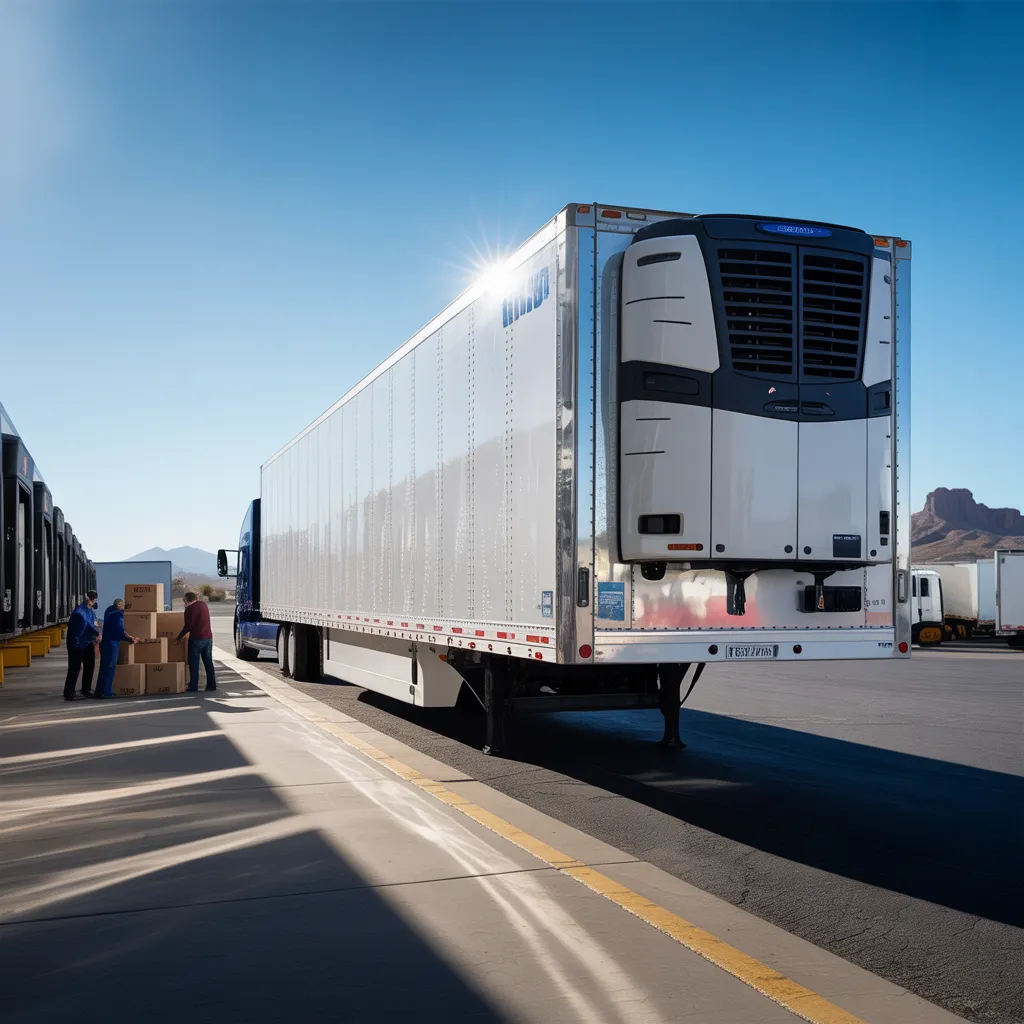
Ways Refrigerated Trailers Prevent Food Spoilage at Events
Refrigerated trailers serve a critical function in preventing food spoilage at events, ensuring that perishable items remain fresh and safe for consumption. These mobile units provide a controlled environment that maintains ideal temperatures, necessary for keeping diverse food items fresh, from meats to dairy goods. Through the use of superior insulation and dependable cooling systems, refrigerated trailers powerfully offset the consequences of heat and humidity, which can lead to bacterial growth and spoilage.
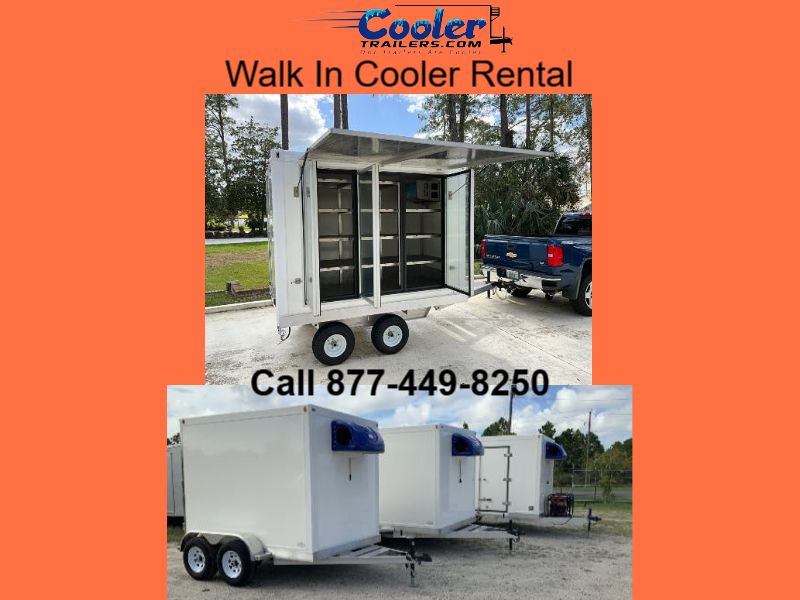
In addition, the ease of transporting these trailers straight to event locations allows caterers and organizers to manage food storage with ease. This convenience lowers the possibility of foodborne illnesses, protecting the health of guests. In addition, the capacity and design of refrigerated trailers can serve various event sizes, making them adaptable solutions for gatherings of all sizes. In conclusion, the deployment of refrigerated trailers is a critical approach for upholding food safety and quality at events, improving the overall enjoyment for attendees.
How to Choose the Right Size for Refrigerated Trailer Rentals
Choosing the correct size for refrigerated trailer rentals requires detailed analysis of storage needs and event duration. Identifying the amount of products requiring storage will assist in determining the necessary space. Moreover, factoring in the length of time the trailer is required can affect the size selection, guaranteeing optimal performance.
Evaluate Your Storage Requirements
How can someone identify the correct size for renting refrigerated trailers? To properly evaluate the required storage capacity, it is necessary to consider the amount and kind of items that will be stored. A detailed inventory list should be created, noting the sizes and amounts of goods. This enables a better understanding of space needs. Additionally, taking into account the trailer's layout is vital; efficient organization can enhance space utilization. Aspects such as ventilation and ease of access also influence the choice. It is wise to reach out to rental providers, as they can offer insights based on their knowledge and trailer inventory. At the end of the day, choosing the right size secures ideal storage conditions, reducing spoilage risks and preserving product integrity during events.
Take Event Duration into Account
Understanding the event duration is essential when selecting the correct size for refrigerated trailer rentals, as it directly impacts storage requirements. For short events, such as a few hours, a smaller trailer may be adequate, while extended occasions, spanning several days, necessitate bigger trailers to accommodate larger volumes of stored items. Furthermore, the nature of the products being stored, whether perishable food, liquid refreshments, or floral displays, also affects the size needed. It is important to determine the quantity of items and the period for which they require cooling. A well-planned approach guarantees that all items stay fresh and available throughout the event. By factoring in duration, event planners can avoid avoidable expenditures and logistical challenges associated with inadequate cooling space.
Important Attributes of Refrigerated Trailers for Optimal Event Performance
When planning an event, the ideal refrigerated trailer can make all the difference, guaranteeing that perishable goods remain in optimal condition. Essential features of these trailers include flexible temperature settings, which allow for careful monitoring of various food items. A reliable refrigeration system is vital, as it provides steady temperature maintenance throughout the entire event.
In addition, generous storage capacity is vital; trailers need to deliver enough capacity to manage the volume of food and drinks demanded. Easy access is another important consideration; broad entryways and loading ramps enable smooth loading and unloading, reducing wait times.
Insulation performance is also crucial for preserving temperature consistency, particularly during variable outdoor environments. Moreover, integrated monitoring systems notify event organizers of temperature irregularities, guaranteeing rapid action against potential issues. Combined, these capabilities promote event success through preserving food integrity while improving the general satisfaction of attendees.
How to Maintain Food Freshness at Your Event
To guarantee food is kept fresh during an occasion, thorough planning and careful attention to detail are necessary. To begin, the selection of top-quality ingredients is essential, as fresher products naturally have a longer shelf life. Furthermore, keeping proper storage temperatures is essential; refrigerated units should be adjusted to the proper temperature prior to loading food. It is essential to arrange items properly within the trailer, placing perishable goods at the bottom and ensuring adequate airflow.
Using insulated storage containers can additionally help preserve temperature consistency. Moreover, tracking food temperatures with thermometers across the duration of the event confirms safety and freshness.
Hygiene practices should be emphasized, including regular handwashing and sanitizing surfaces to avoid the spread of contaminants. Additionally, timely serving of food is key; items should be removed from refrigeration shortly before being served to limit their time at room temperature. By following these strategies, event planners can ensure that food remains fresh and attractive for their guests.
Common Mistakes to Avoid When Renting a Refrigerated Trailer
What are the most common mistakes to avoid when renting a refrigerated trailer? A major error is not properly evaluating the appropriate size of the trailer. Choosing a trailer that is either too small or excessively large can lead to inefficient use of space and increased costs. Additionally, renters often overlook the importance of checking the refrigeration unit's functionality. An improperly functioning unit poses read the information a direct risk to food safety and overall product quality. A frequent mistake is failing to confirm rental conditions, including pickup and drop-off schedules, which may lead to unforeseen charges. Renters must also remain vigilant about insufficient insurance coverage, as ensuring adequate protection from possible damages is essential. Lastly, overlooking the trailer's placement and ease of access can lead to significant logistical complications during your event. By recognizing these common mistakes, renters can make well-informed choices and ensure their refrigerated trailer rental fulfills their requirements successfully.
Top Practices for Loading and Unloading Your Trailer
Correct loading and unloading methods are vital for optimizing the efficiency and safety of a refrigerated trailer rental. Initially, it is necessary to consider the weight distribution; heavier items should be placed on the bottom and lighter ones on top to maintain stability during transport. Utilizing pallets can facilitate easier loading and unloading, while guaranteeing air circulation around products is crucial to maintain consistent temperatures.
During the unloading process, following a structured method is essential. Begin from the back, moving forward, to avoid congestion near the entrance. Be sure to wear the proper personal protective gear to ensure safety. Additionally, checking the temperature inside the trailer before unloading is advisable to confirm products remain within safe temperature ranges.
To conclude, allocating sufficient time for both the loading and unloading processes reduces rush and potential errors, supporting a more orderly and effective operation overall. Following these best practices can greatly enhance the effectiveness of refrigerated trailer operations.
Popular Questions We Receive
What Is the Typical Cost of Renting a Refrigerated Trailer?
The typical cost of renting a refrigerated trailer usually sits between one hundred and three hundred dollars per day. Variables that impact the pricing include the size, length of rental, and extra features or services offered by the rental company.
How Far in Advance Should I Book a Refrigerated Trailer?
It's advisable to secure a refrigerated trailer no less than two to four weeks beforehand. This timeframe allows for availability assurance, confirming that particular requirements are fulfilled and reducing last-minute stress for event planners.
Are There Delivery Options for Refrigerated Trailers?
Yes, several rental providers have available delivery arrangements for refrigerated trailers. Renters can coordinate for the refrigerated trailer to be delivered to their location, providing easy and prompt access to necessary refrigeration for their purposes.
Is It Possible to Rent a Refrigerated Trailer for Short-Term Events?
Yes, individuals can rent refrigerated trailers for temporary events. Several rental companies deliver adaptable solutions, supporting a range of durations and sizes, ensuring that event organizers have the required cooling solutions for their particular needs and requirements.
What Maintenance Should Be Performed During the Rental Period?
During the rental period, routine maintenance involves monitoring temperature levels, ensuring adequate airflow, checking seals and gaskets, watching for potential leaks, and maintaining interior cleanliness to eliminate odor and contamination. Such practices secure top performance and food safety.